Renting a Car in Italy: The Practical Guide (Costs, Insurance & Driving Tips)
Italy is one of those countries where a car can turn a “nice trip” into an unforgettable one—especially if you want to go beyond the obvious cities. Trains are excellent between major hubs, but a rental car gives you freedom: hilltop villages in Tuscany, hidden beaches in Puglia, mountain roads in the Dolomites, and countryside wineries you’d never reach comfortably by public transport.
That said, Italy also has its “gotchas”: ZTL restricted zones, confusing city parking rules, toll roads, and insurance choices that can make prices swing wildly. This guide is written to help you rent smart, drive confidently, and avoid surprises—while saving money by comparing options in one place.
If you want the fastest way to see real prices across suppliers and locations, compare on GooRentalCars (link: /italy-car-rental) before you book.
- Compare Car Rental Prices in Italy in 60 Seconds
- See deals from trusted suppliers across Rome, Milan, Venice, Naples and more. Transparent prices, quick booking, no stress.
- Compare Italy Deals
- https://goorentalcars.com/en/locations/italyH2: Where to Rent a Car in Italy (City vs Airport)
Airports usually offer the widest choice and best competition—great for value, newer fleets, and longer rentals. If your itinerary starts outside a big city, airport pickup can be ideal.
City centers can be convenient, but parking and restricted zones can complicate pickup/drop-off. In many Italian cities, collecting a car downtown means navigating traffic, one-way streets, and ZTL cameras right away.
Best rule:
- If you’ll drive immediately and leave the city: airport pickup is often smoother.
- If you’ll spend a few days in the city first: stay car-free, then pick up later.
Internal links to use inside your site:
- Rome: link /rome-car-rental
- Milan: link /milan-car-rental
- Venice: link /venice-car-rental
- Naples: link /naples-car-rental
H2: Documents, Requirements, and What to Expect at the Counter
In most cases, you’ll need:
- A valid driving license (full license, not provisional)
- A passport or national ID
- A credit card in the main driver’s name (often required for deposits)
- Sometimes an International Driving Permit (IDP) depending on where your license was issued
At the counter, the biggest delays come from:
- Payment/deposit rules (credit card vs debit card)
- Confusion about insurance coverage
- Extra driver, child seats, and fuel policy decisions
Tip: arrive knowing what you want: automatic vs manual, fuel policy, and whether you prefer “full coverage” or a refundable deposit plan.
Understanding Insurance in Italy (Without the Confusion)
Car rental insurance can feel like a maze, but it’s usually built around a few core pieces:
The basics you’ll see
- CDW (damage coverage) often comes with an excess (franchise).
- TP (theft protection) also often comes with an excess.
- Third-party liability is typically included by law.
Full coverage vs deposit (how to think about it)
- If you want peace of mind, choose a deal that clearly states lower excess or additional protection.
- If you want the lowest daily price, you’ll often accept a higher deposit/excess.
On GooRentalCars, compare like-for-like and choose what matters more for your trip: lower price or lower risk (link: /italy-car-rental).
The #1 Risk in Italy: ZTL Zones (And How to Avoid Fines)
ZTL (“Zona a Traffico Limitato”) areas exist in many historic centers. Cameras automatically record plates, and tourists commonly receive fines weeks later.
How to avoid trouble:
- Don’t drive into historic centers unless your accommodation confirms it’s allowed.
- Follow signage carefully—ZTL signs can appear suddenly.
- Prefer parking outside the center and walking in.
- If your hotel claims it can register your plate for access, get that confirmation in writing.
Bottom line: renting a car is amazing for Italy—but inside historic centers, it can be expensive if you’re not careful.
Tolls, Fuel, and Parking (Real-World Tips)
Toll roads
Italian highways (“Autostrade”) often have tolls. Keep a card or cash available, and expect toll booths on major routes.
Fuel policy
“Full-to-full” is usually easiest: collect with a full tank, return full. Take a photo of the fuel gauge at pickup and drop-off.
Parking
- Blue lines often mean paid parking (rules vary by city).
- White lines can mean free parking (sometimes residents-only depending on signage).
- Yellow lines are usually restricted (disabled, loading, permits).
In big cities, parking can be harder than driving. If your plan is mostly city tourism, consider renting only for the part of your trip where a car truly adds value.
Choosing the Right Car for Italy (It Matters)
Italy’s roads change fast: tight village lanes, narrow garages, steep hills, and coastal bends.
Recommendations:
- City + villages: small car (easier parking, less stress)
- Long road trips / family: compact SUV or comfortable hatchback
- Mountains (Dolomites): consider stronger engine and good tires
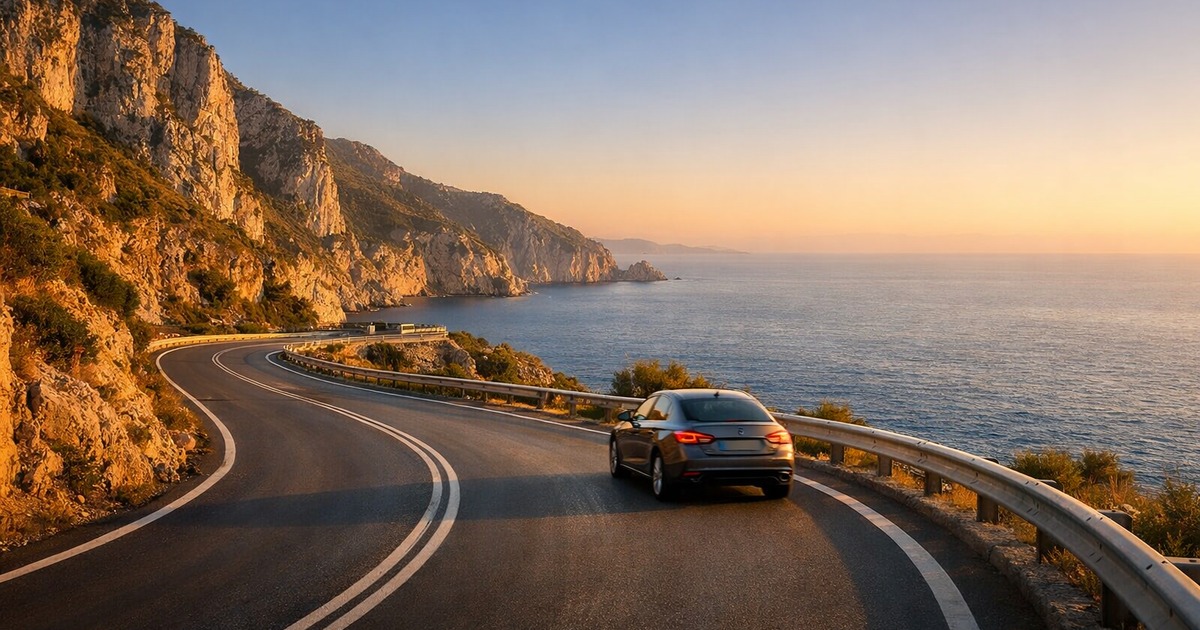
- Amalfi Coast: small car helps—parking and tight turns are real
Also: automatics are less common and usually pricier, so book early if you need one.
3 Simple Itineraries Where a Rental Car Is Worth It
Tuscany loop (4–7 days)
Florence (no car) → pick up outside → Siena → Val d’Orcia → hill towns → return near Florence.
North Italy mix (5–10 days)
Milan → Lake Como → Verona → Dolomites → Venice (return car before Venice itself).
South Italy coast & villages (5–10 days)
Naples → countryside stops → Puglia or Calabria → coastal towns → return in a larger city.
Find the Best Car for Your Italy Trip
Small car for cities, SUV for mountains, family options for long routes—compare prices and pick the perfect match in minutes.
Common Mistakes Tourists Make (So You Don’t)
- Renting too early if you don’t need the car in cities
- Driving into ZTL zones “by accident”
- Not checking deposit rules (credit card requirements)
- Picking a car that’s too big for village roads
- Returning late and getting charged an extra day
- Ignoring the fuel policy details
If you avoid these, driving in Italy becomes a pleasure—not a headache.
Conclusion
Italy rewards travelers who move beyond the obvious. With a rental car, you can stop at viewpoints whenever you want, detour through small towns, and build a trip that feels personal. The key is booking with clarity: choose the right car size, understand insurance, respect ZTL zones, and plan parking in advance.
When you’re ready, compare prices and conditions across suppliers on GooRentalCars (link: /italy-car-rental) and book the option that fits your comfort level—price, deposit, and coverage.
Ready to Drive Italy for Less?
Compare trusted suppliers, get transparent pricing, and book your Italy car rental in minutes—no hidden surprises.
FAQ – Car Rental in Italy
- Do I need a car in Rome/Florence/Venice?
Usually not for the city itself. Rent only for day trips and countryside routes. - What is a ZTL zone?
A restricted traffic zone in historic centers monitored by cameras—entering can lead to fines. - Is it hard to drive in Italy?
Highways are easy. Historic centers can be tricky—plan parking and avoid ZTL areas. - Manual or automatic?
Manual is more common and cheaper. Automatic is available but book early. - Do I need a credit card?
Often yes, especially for deposits. Check the payment rules before booking. - Can I do a one-way rental in Italy?
Sometimes yes, but it may add fees. Compare one-way options before choosing.
Related articles (secção no fim)
- Renting a Car in Rome: Tips & Mistakes (link: /rome-car-rental)
- Car Rental Milan: Airport vs City Pickup (link: /milan-car-rental)
- Best Italy Road Trips (link: /blog/best-italy-road-trips)
- Car Rental Venice: Where to Pick Up (link: /venice-car-rental)