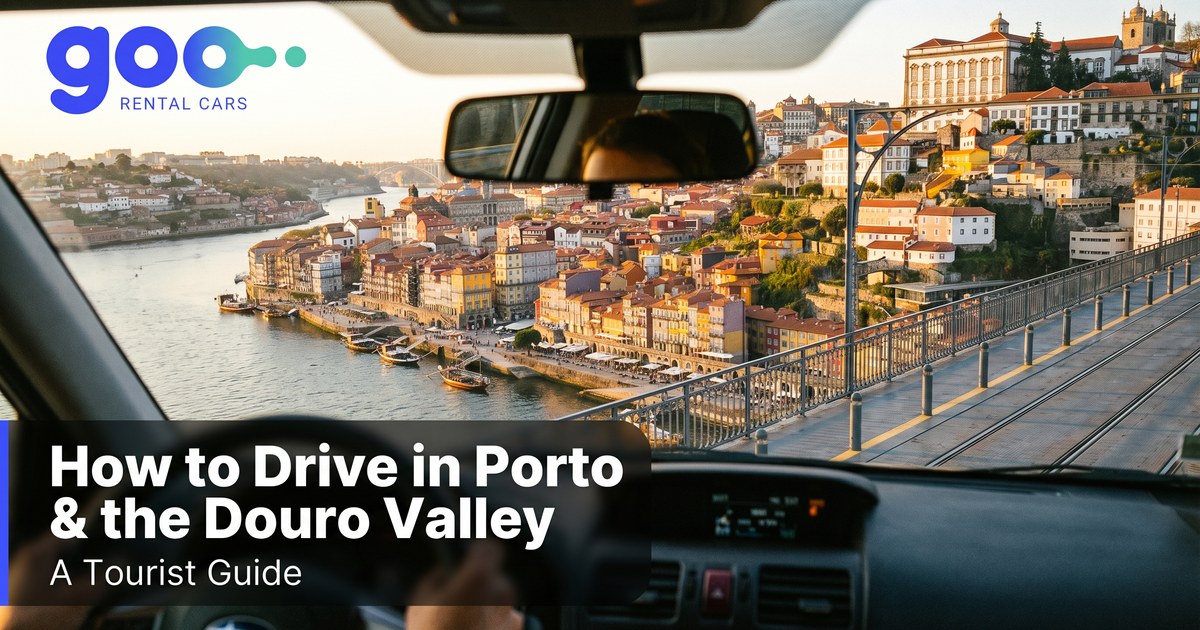
Hogyan vezessünk Portóban és a Douro-völgyben: Tippek turistáknak
Képzeld el: épp most landolsz a portói repülőtéren, készen arra, hogy elmerülj Észak-Portugália lélegzetelállító szépségében. De várj – tényleg zsúfolt buszokon fogod tölteni a drága nyaralásodat, túlfizetve a taxikat, vagy ami még rosszabb, olyan fuvarokra várva, amelyek soha nem jönnek el? Ebbe a csapdába esik sok utazó, amikor nem bérel autót. Hidd el, a portói repülőtéren a saját bérautód kulcsainak megszerzése a legokosabb lépés, amit tehetsz, hogy felfedd Porto és a Douro-völgy igazi varázsát.
Az autózás itt nem csak arról szól, hogy eljussunk A pontból B pontba; ez egy ellentétekből álló kaland. Az egyik percben még simán száguldozunk a modern autópályákon, a következőben pedig ősi macskaköves utcákon vagy hajtűkanyargókon kanyarogunk, ahonnan a végtelenségig nyúló teraszos szőlőültetvényekre nyílik kilátás. De míg az utak általában kiválóak, ez a látványos régió némi helyi ismeretet igényel a biztonságos és magabiztos navigációhoz.
Ebben a tökéletes útmutatóban végigvezetlek mindenen, amit tudnod kell a portói és a Douro-völgyi vezetésről – hogy megszabadulhass a stressztől, maximalizálhasd a szabadságodat, és fejest ugorhass egy felejthetetlen utazásba.
Az aranyszabály: Kerülje a vezetést Porto központjában
Íme az első számú tipp, amivel órákig tartó frusztrációtól és stressztől kímélhetsz meg: eszedbe se jusson vezetni Porto történelmi központjában, hacsak nem feltétlenül szükséges. Komolyan.
Porto óvárosa – a Ribeira, a Baixa és a Sé negyedek – keskeny, meredek, macskaköves utcák labirintusa, amelyek minden irányba kanyarognak és fordulnak. Ezeket az utakat évszázadokkal ezelőtt építették, jóval azelőtt, hogy az autók megjelentek volna, így hihetetlenül szűkösek. Gyalogosokat, szállítójárműveket és még történelmi villamosokat is kerülgetni fogsz. Parkolni? Felejtsd el. Szinte lehetetlen helyet találni az utcán, és a bonyolult egyirányú rendszerek miatt a GPS-ed is izzadni fog.
Szóval, mi a megoldás? Ha a szállodád vagy az Airbnb-d Porto óvárosának szívében található, ellenőrizd, hogy biztosítanak-e biztonságos parkolást. Ha nem, ne kockáztass beautóval. Parkold le a bérelt autódat egy biztonságos, földalatti garázsban a város szélén – olyan helyek, mint a Trindade, az Alfândega vagy a Casa da Música közelében lévő helyek tökéletesek erre –, és szállj fel Porto szuperhatékony metrójára, vagy egyszerűen sétálj, hogy magába szívd a város varázsát. A bérelt autó a titkos fegyvered a város határain túli felfedezésekhez, ahol az igazi kincsek várnak rád.
🚗 Foglalja le portói bérautóját időben, és kímélje meg magát a fejfájástól!
Az automata autók és a kompakt modellek gyorsan fogynak a boltokból. Ne várjon, és ne kockáztassa, hogy lemaradjon.
Az úthálózat megismerése
Miután elhagyta Porto történelmi központját, az utak egy fantasztikus, modern autópályákból és festői országos útvonalakból álló hálózatba nyílnak, amelyek tökéletesek a kalandvágyók és a hobbi autósok számára egyaránt.
Az autópályák (Autoestradas)
Ezek az autópályák a szabadsághoz vezető gyors utak. Az A1-es dél felé visz Lisszabonba, az A3-as észak felé Bragába, az A4-es pedig kelet felé egyenesen a Douro-völgy szőlőültetvényeinek szívébe. Ezek az utak simák, jól kitáblázottak és sebességre épültek – a 120 km/h-s sebességkorlátozás azt jelenti, hogy gyorsan és kényelmesen teheted meg a szükséges távolságokat.
De van egy fontos figyelmeztetés: Portugáliában szinte minden autópályán van útdíj. És ezek közül sok északon elektronikus útdíjrendszert használ – nincsenek fizetőkapuk, csak kamerák szkennelik a rendszámtáblákat. Hogy elkerüld a későbbi manuális útdíjfizetés rémálmát (helló, hosszú sorok a postán), bérelj egy "Via Verde" transzpondert az autódhoz. Ez a kis eszköz közvetlenül a hitelkártyádra terheli az útdíjat, így gond nélkül áthaladhatsz a fizetőpontokon.
Nemzeti utak (Estradas Nacionais – EN)
Ezeken az utakon történik az igazi varázslat. Az N222-es például világszerte híres lélegzetelállító kilátásáról, amint a Douro folyót öleli át. Bár ezek az útvonalak aszfaltozottak és jól karbantartottak, keskeny, kanyargós, padkák nélküli szakaszokra és lassabb sebességre (általában maximum 90 km/h vagy 56 mph) számíts. Lassíts le, gyönyörködj a tájban, és élvezd az utazást. Figyelj a helyi forgalomra is – a traktorok és a mezőgazdasági járművek gyakoriak.
Autóval a Douro-völgyben
Legyünk őszinték – a Douro-völgyön át autózni Európa egyik leglélegzetelállítóbb autós kirándulása. De nem csak a kilátásról van szó; arról is, hogy szabadon felfedezheted a környéket a saját tempódban, megállhatsz ott, ahol szeretnél, és felfedezhetsz olyan rejtett kincseket, amelyeket a buszok és taxik egyszerűen nem érnek el.
A legendás N222
Ezt a Peso da Régua és Pinhão közötti szakaszt a világ egyik legjobb autóútjának tartják – és könnyű belátni, miért. Képzelje el magát, ahogy a folyó mentén kanyarog, a szőlőültetvények óriási lépcsőkként sorakoznak a hegyoldalakon, a napfény átsüt a leveleken. De ne feledje: forgalmas út, különösen a szőlőszüret (vindimas) idején. Szánjon rá időt, használja a kijelölt kilátópontokat (miradouros) a fényképezéshez, és kérem – soha ne álljon meg az út közepén. A biztonság az első.
Hegyi utak a Quintas-hegységbe
Szeretnéd megkóstolni a világszínvonalú portói bort ott, ahol készül? Meredek, keskeny, néha idegőrlő utakon kell majd felmenned, amelyek a borászatokhoz, vagyis a quintákhoz vezetnek. Ezek az útvonalak gyakran meredek szakadékokkal és korlátok nélkül járnak, ami teljes figyelmedet igényli. Egy nagy teherautóval vagy busszal találkozol? Lehet, hogy szélesebb helyre kell tolatnod, hogy elhaladhassanak mellettük. Ha nem érzed magad kényelmesen manuális váltós autóval ezeken a meredek dombokon, tégy magadnak egy szívességet, és bérelj automata autót. Az idegeid és a biztonságod hálás lesz érte.
🚙 Készen állsz meghódítani a Douro-völgyet?
Ne hagyd ki a tökéletes borvidéki autós kirándulást! Találd meg a tökéletes autódat, és indulj útnak magabiztosan.
A portugál sofőrök megértése
Egy új országban idegőrlő lehet vezetni, ezért íme egy rövid áttekintés arról, hogy mire számíthatunk a portugál sofőrökkel Porto közelében. Képzettek, magabiztosak és igen – néha kissé határozottak is, különösen autópályán.
Számíts rá, hogy a sebességkorlátozások közelében, vagy akár kissé túl is fogják lépni azokat. A bal sáv szigorúan előzésre szolgál, ezért ne időzz ott. Ha azt látod, hogy valaki a lökhárítód mögött halad, ne ess pánikba, és ne fékezz erősen. Csak maradj nyugodt, indexelj, és menj jobbra, amikor biztonságosan elengedheted. A higgadtság és az udvariasság zökkenőmentessé teszi az utad.
Gyakran Ismételt Kérdések (GYIK)
1. Portugáliában az út melyik oldalán közlekednek az emberek?
A legtöbb európai országhoz hasonlóan Portugáliában is jobb oldalon kell közlekedni. Ez egyszerű, de érdemes megjegyezni, ha balra hajtásra jogosító országból érkezel.
2. Szükségem van nemzetközi jogosítványra (IDP)?
Ha a jogosítványod az EU-ból, az Egyesült Királyságból vagy az USA-ból származik, akkor nemzetközi jogosítvány nélkül is mehetsz. De ha a jogosítványod nem római ábécét használ, mindenképpen kérj nemzetközi jogosítványt az eredeti jogosítványod mellé.
3. Melyek a sebességkorlátozások Portugáliában?
Városi területeken: 50 km/h (31 mph). Vidéki utakon: 90 km/h (56 mph). Autópályákon (Autoestradas): 120 km/h (75 mph). Figyeljen a helyi jelzésekre, különösen kereszteződésekben vagy építési területeken.
4. Gyakoriak a körforgalmak Portugáliában?
Nagyon gyakori! A körforgalomban közlekedő járműveknek elsőbbségük van, ezért behajtás előtt mindig adjon elsőbbséget a balról érkező forgalomnak.
5. Biztonságos éjszaka vezetni?
Igen, a jól megvilágított és modern főutakon és gyorsforgalmi utakon. A vidéki utak azonban, különösen a Douro-völgyben, sötétek és kanyargósak lehetnek – vezessen óvatosan, és figyeljen a vadon élő állatokra vagy a lassan mozgó járművekre.
6. Mit tegyek baleset vagy meghibásodás esetén?
Baleset esetén azonnal hívja a 112-t a rendőrségi segítségért és a jegyzőkönyv elkészítéséhez (ami a biztosítás miatt kötelező). Ne mozgassa a járműveket, kivéve, ha veszélyt jelentenek. Lerobbanás esetén vegye fel a fényvisszaverő mellényét (ez törvényileg kötelező), helyezze az elakadásjelző háromszöget az autó mögé, és hívja a kölcsönző cég közúti segítségnyújtását.
Kapcsolódó cikkek
- Autókölcsönzés a Porto repülőtéren (OPO): Teljes körű útmutató
- A legjobb látnivalók Portóban és Észak-Portugáliában autóval
Parkolás Portóban és Észak-Portóban
Porto történelmi központjában a parkolás igazi kihívás – képzeljük el úgy, mint egy kirakóst, ahol a színkódolt zónák (általában kék vagy zöld) határozzák meg az árat és a maximális parkolási időt. Fizetni a közeli parkolóautomatáknál kell (érmékkel, néha kártyákkal), és a jegyet a műszerfalon kell kihelyezni. A szabályok szigorúak, sok autót megfosztanak vagy elvontatnak a szabálysértések miatt.
Az okosabb megoldás? Használj biztonságos mélygarázsokat (Parques de Estacionamento). Rengeteg van belőlük, biztonságosak, és megspórolnak neked órákat az utcai parkolóhely-kereséssel. A 24 órás parkolásért körülbelül 15-25 eurót kell fizetni.
Portón kívül a parkolás általában gyerekjáték, és gyakran ingyenes is. A Douro-völgy legtöbb turisztikai látványossága, kilátópontja és quinta-háza külön parkolóval rendelkezik. A népszerű látnivalók, mint például a bragai Bom Jesus do Monte vagy Guimarães történelmi központja, a főszezonban gyorsan megtelnek, ezért érdemes korán odaérni, hogy helyet foglaljunk.
Időjárási viszonyok és vezetés
Észak-Portugália időjárása az évszakok váltakozásával változik, akárcsak az útviszonyok. A nyár (június-szeptember) forró és száraz – tökéletes az autózáshoz, de vigyázz a hőhullámokkal. Győződj meg róla, hogy a bérelt autó légkondicionálója tökéletesen működik.
A tél (december-február) hűvösebb, csapadékosabb időjárást hoz. Az eső csúszóssá teheti a hegyi utakat és ronthatja a látótávolságot. A köd gyakori a völgyekben és a magasabb tengerszint feletti magasságokban – ha ködbe kerül, lassítson le, kapcsolja be a ködlámpákat, ha vannak, és tartson biztonságos távolságot a többi járműtől.
🚗 Ne pazarold a nyaralásodat buszokra vagy drága taxikra várva!
Biztosítsa be bérautóját most, és vegye kezébe Porto és a Douro-völgy kalandjának irányítását.


