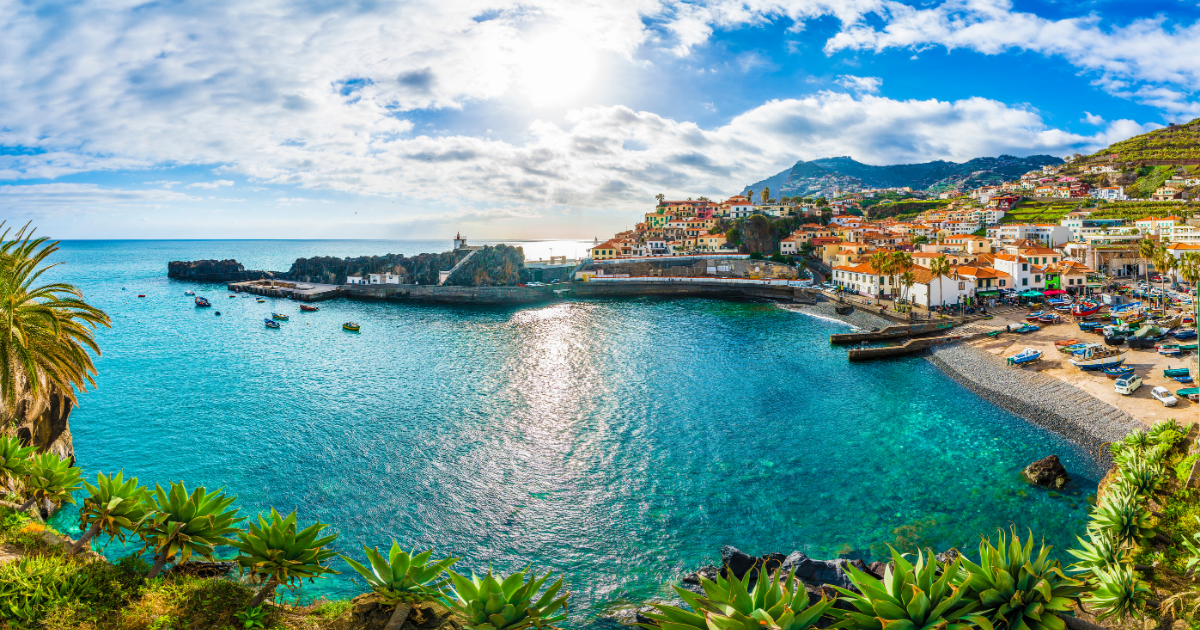
Madeira might not be the first place that comes to mind when you think of beach holidays, but its coastline is full of surprises. From dramatic black volcanic sands to calm golden stretches and unique natural lava pools, Madeira’s beaches offer something special for every traveler. And the best way to discover them? By car, giving you the freedom to explore at your own pace.
🌿 Discover Madeira’s Hidden Beach Gems
Rent a car with GooRentalCars and unlock the island’s most stunning and secluded beaches.
Why Madeira's Beaches Are Unique
Madeira’s beaches stand out because of their volcanic origins and rugged beauty. Unlike the typical golden sands found elsewhere, many of Madeira’s shores feature striking black volcanic sand or smooth pebbles, creating a dramatic contrast with the deep blue Atlantic. Another highlight is the natural lava pools—rock formations filled with crystal-clear seawater, perfect for safe swimming even when the ocean is rough.
These natural pools, along with the island’s varied coastline, mean you’ll find everything from sheltered family-friendly spots to wild, untouched beaches. Driving around Madeira is the best way to experience this diversity since public transport is limited and many beaches are tucked away in less accessible locations. We at GooRentalCars always recommend renting a car to fully enjoy Madeira’s coastal wonders.
Seixal Beach — Black Sand and Waterfalls
Seixal Beach is a must-see on Madeira’s north coast, famous for its black volcanic sand and the stunning waterfall that cascades down the cliffs behind it. The drive there is an adventure itself, winding through tunnels carved into the cliffs and past other waterfalls that drop directly onto the road. When you arrive, you’ll find a sheltered crescent of dark sand framed by lush green cliffs and a small natural pool fed by the waterfall.
The water here is surprisingly calm for the north coast and boasts a beautiful turquoise hue that feels almost tropical. To avoid crowds, aim to get there early—by mid-morning in summer, the car park fills up quickly. The peaceful morning atmosphere makes it feel like you’ve discovered a secret slice of paradise.
Getting there: Approximately 45 minutes from Funchal via the VE2 north coast road. The scenic drive is part of the experience.
Calheta Beach — Golden Sand and Family Friendly
Calheta Beach is one of the few golden sand beaches on Madeira, thanks to sand imported from Morocco. Located on the sunnier southwest coast, Calheta enjoys a microclimate that often delivers blue skies even when other parts of the island are cloudy. The beach features two crescent-shaped golden sand bays protected by breakwaters, making the waters calm and perfect for families with children.
The area around Calheta is well-equipped with a marina, restaurants, cafes, and even a contemporary arts centre, offering a comfortable and lively beach day experience. The drive from Funchal takes about 40 minutes along the scenic south coast road, making it an easy and rewarding day trip.
🌊 Ready for a Beach Day in Calheta?
Book your rental car with GooRentalCars and enjoy the freedom to explore Madeira’s sunniest beaches.
Machico Bay — Golden Sand Close to the Airport
Machico Bay is where the Portuguese first landed on Madeira in 1419, giving the beach a unique historical charm. The golden sand here is also imported, providing a wide, sheltered bay ideal for swimming and sunbathing. Its proximity to Madeira Airport—just a five-minute drive—makes Machico a convenient spot for a beach day, especially if you have a flight to catch or just arrived.
The town itself offers a lovely old church and several local restaurants where you can enjoy fresh seafood after a swim. Machico combines history, beach, and town life in one accessible location, perfect for a relaxed day by the sea.
Getting there: About 25 minutes from Funchal via the VR1 east, or just 5 minutes from the airport.
Porto Moniz Natural Pools — Lava Pools for a Unique Swim
At Madeira’s northwestern tip lies Porto Moniz, famous for its natural lava pools formed by ancient volcanic activity. These interconnected pools are filled with clear Atlantic water, offering a safe and refreshing place to swim even when the ocean is rough. The contrast between the calm pools and the wild waves crashing nearby is breathtaking.
You can choose between the completely natural pools, which are free to use, or the developed pools that offer changing rooms and showers for a small fee. Both are fantastic, but families often prefer the developed pools for safety and convenience. After a swim, enjoy lunch at one of the seaside restaurants serving local specialties like espada (scabbardfish).
Getting there: About 50 minutes from Funchal via a scenic coastal drive full of tunnels and viewpoints.
Prainha (Caniçal) — A Hidden Black Sand Cove
Prainha Beach near Caniçal is a quiet, black sand beach tucked into a sheltered cove on Madeira’s eastern tip. Many visitors overlook it while heading to the famous Ponta de São Lourenço hiking trail, but Prainha is worth a stop. The surrounding landscape is arid and rugged, with rust-colored cliffs and dry scrubland, offering a stark contrast to the island’s lush interior.
There’s a small car park above the beach and a short, steep walk down to the shore. The calm, clear water is perfect for cooling off after a hike. Combining a morning hike at Ponta de São Lourenço with a swim at Prainha makes for one of the most rewarding days on the island.
Getting there: About 30 minutes from Funchal via the VR1 east, following signs to Ponta de São Lourenço.
🌞 Plan Your Perfect Madeira Beach Escape
With GooRentalCars, you can explore Madeira’s diverse beaches at your own pace. Book your car today and start your adventure.
Frequently Asked Questions
Are there white sand beaches in Madeira?
Madeira itself does not have natural white sand beaches due to its volcanic origin. The island’s natural beaches are mostly black sand or pebbles. However, Calheta and Machico have golden sand beaches created by importing sand from Morocco. For natural golden or white sand, the nearby island of Porto Santo offers a stunning 9km stretch of golden sand.
Is it safe to swim at Madeira's beaches?
Swimming safety varies by location. The south coast beaches like Calheta and Machico are generally calm and safe for swimmers of all levels. The north coast can have strong currents and waves, so it’s best to swim in natural pools or sheltered areas. Always observe the local flag warning system to ensure safe swimming conditions.
Do I need a car to visit Madeira’s best beaches?
While some beaches near Funchal, such as Praia Formosa and Garajau, can be reached without a car, most of Madeira’s best and most scenic beaches are spread out and difficult to access via public transport. Renting a car with GooRentalCars is highly recommended to explore beaches like Seixal, Porto Moniz, and Prainha comfortably and on your own schedule.
What is the best time of year to visit Madeira’s beaches?
The best beach weather in Madeira is typically from June to October. July and August are the warmest months, with air temperatures around 26–28°C and sea temperatures reaching 22–24°C. September and October offer slightly cooler weather, fewer crowds, and still warm seas. Spring months like April and May are also pleasant, especially on the south coast.
What is the water temperature like around Madeira?
The Atlantic waters around Madeira are warmer than many expect. Winter sea temperatures hover around 18°C, which can be chilly but manageable with a wetsuit. In summer, the water warms to between 22 and 24°C, making swimming comfortable without any special gear. This mild water temperature helps make Madeira a year-round destination.
Can I visit Porto Santo from Madeira?
Yes, Porto Santo is easily accessible from Madeira by a two-hour ferry or a short 15-minute flight. The island is famous for its long, natural golden sand beach, which is quite different from Madeira’s volcanic shores. You can rent a car on Porto Santo as well to explore its beaches and inland attractions at your leisure.


